High blood pressure treatment, diagnosis & prescriptions
Skip the waiting room! Instantly connect with Canadian doctors for medical care from your phone, tablet or computer - any time, 24/7.


Prescriptions available at a provider's discretion
Speak to a doctor or nurse practitioner
24/7 availability
Get connected in minutes
Trusted by millions of Canadians
- 4.8 rating 30K+ App Store reviews
- 4.7 score 8K+ Trustpilot reviews
Talk to a doctor about high blood pressure treatment online
See a doctor or nurse practitioner today to get a new prescription or refill, at their discretion.
Same-day local pharmacy pickup
After your consultation, if you have received a medical diagnosis and prescription for a medication, your prescription can be faxed to the pharmacy of your choice for pick-up or delivered to your home.
Fast, free delivery
Get your medications delivered to your door anywhere in Canada within 1-3 business days.
Less waiting, more convenience
Maple members get 24/7 access to primary care online and more. Our doctors and nurse practitioners are available to see you in minutes, anytime.
See a provider in three easy steps.
- 1
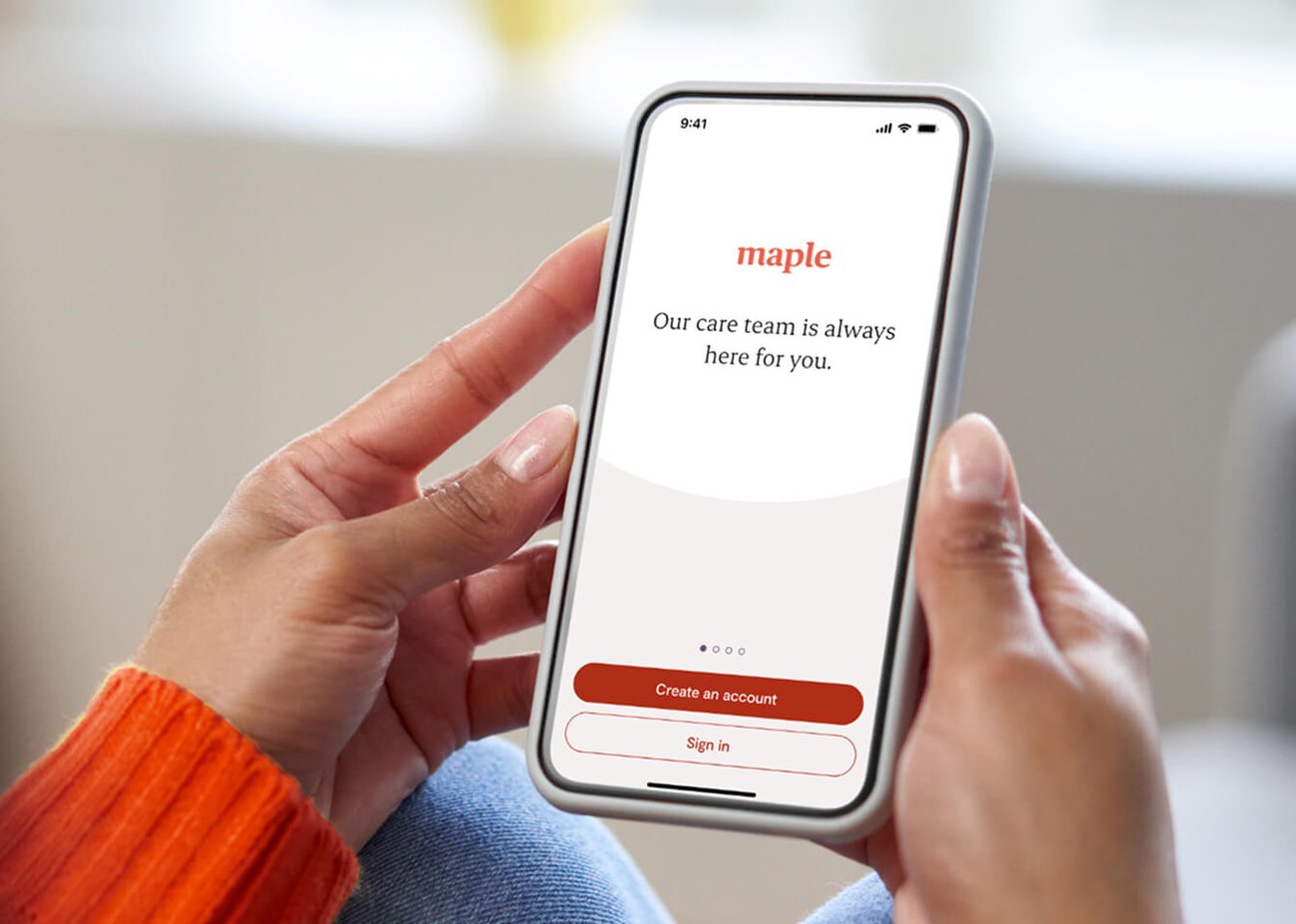
Register and become a member
- 2
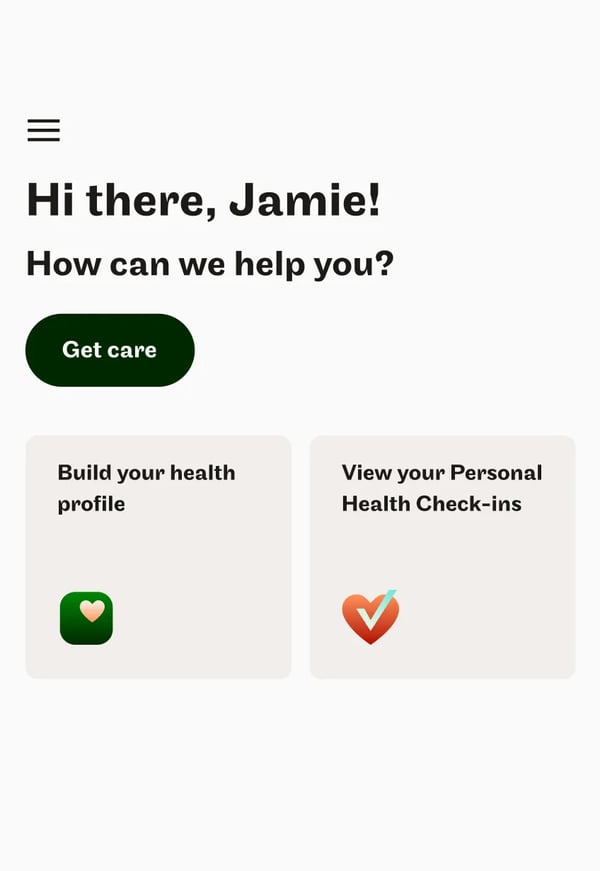
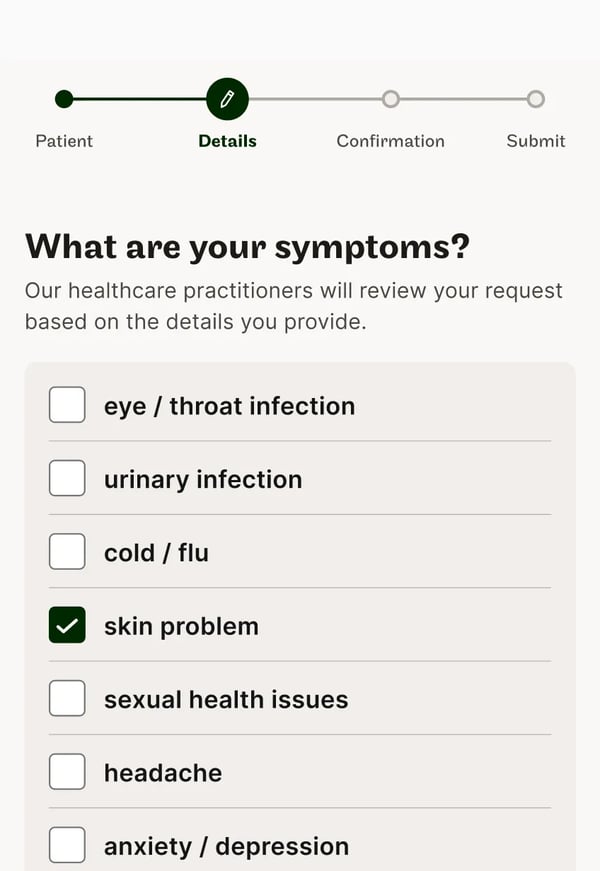
Select the “Get care” button on our homepage
- 3
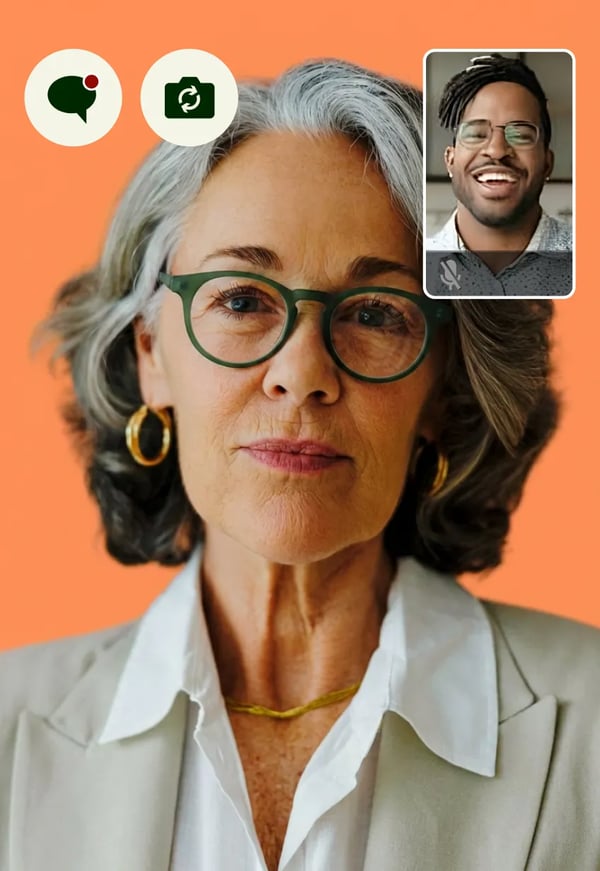
Connect with a Canadian-licensed doctor or nurse practitioner in minutes
Our network of Canadian-licensed doctors and nurse practitioners is here for you.
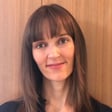
Michelle Van Raay
Family Physician
Dr. Van Raay is a dedicated family physician based in Calgary, Alberta, with over 20 years of experience in family practice. After two decades of providing in-person care, she has transitioned to offering full-time virtual healthcare, allowing her to connect with and support patients across Canada. Dr. Van Raay is deeply passionate about preventive care and believes in the transformative power of nutrition and exercise in maintaining overall health.

Mazin Yousif
Family Physician
Dr. Yousif completed medical school in Baghdad, Iraq in 1998. He practiced until 2005 then moved to Canada where he has practiced in Newfoundland from 2007-2009 then Ontario from 2009 until now.
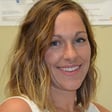
Veronique Poirier
Nurse Practitioner
Veronique has been working as a nurse practitioner for the past 5 years. She has gained extensive experience in diverse settings, including community health and virtual care, which has broadened her expertise and allowed her to reach and support a wide range of patient needs. As an advanced practice nurse, Veronique is committed to providing excellent, compassionate care to all individuals and ensuring access to the highest standard of healthcare for all patients.
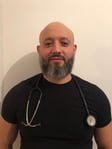
Joe Fragapane
ER Physician & Family Physician
Dr. Fragapane practices Emergency and Family medicine for the Cree Nation in the native territories of the James Bay Quebec. As a physician, he mainly focuses in emergency rural medicine and paediatrics. His practice is broad, encompassing complex medical as well as psycho-social issues, in the isolated regions of northern Quebec with difficult access to diagnostic testing and specialized services. He graduated from McGill Medical School in 2012 and from the Faculty of Electrical and Computer Engineering in 2005.

Golbarg Araghi
Family Physician
Dr. Araghi has been practicing medicine for 17 years. She graduated from McGill University medical school in 2002 and completed her family medicine residency at the University of Toronto. She did a fellowship in low risk obstetrics shortly after graduating. She has been practicing since 2004 and has provided care for patients of all ages. She is a great addition to our team!

Dr. Michael Verbora
Family Physician
Dr. Verbora practices family medicine in Toronto and specializes in student health. He received his Bachelor of Science with Honours from the University of Windsor, his Masters of Business Administration from Odette School of Business, and his Doctor of Medicine from the University of Western Ontario. Dr. Verbora completed specialty training at the Toronto Western Hospital while acting as the OCFP (Ontario College of Family Physicians) Chair of the Residents Committee.
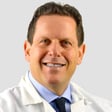
Robert Solomon
Dermatologist
Dr. Solomon is a staff physician at St. Michael’s Hospital, a lecturer at U of T, and a member of the Miami Society for Dermatology and Cutaneous Surgery. He’s recognized for his expertise in Dermoscopy and has extensive experience in Teledermatology, having done 10,000+ cases in the past few years.
Why Canadians love Maple
A fantastic way to get medical advice when you are unable to see someone in person. The app is so simple to use. Highly recommend. I am not a tech savvy person but the doctor was kind enough to patiently walk me through every step of the process. Thank you.
Saved me hours waiting in the ER.
Fast and effective tool for getting a diagnosis and prescription.
The doctor willingly took the time to explain things to me.
Very easy to book a therapist and get appointment receipts.
Frequently asked questions
About High Blood Pressure
Yes, you can. The doctor will want to discuss your current condition, medical history as well as any symptoms or signs of high blood pressure that you're experiencing.
Before offering a high blood pressure diagnosis, the doctor will want you to have your blood pressure evaluated.
If the doctor does give you a high blood pressure diagnosis, they could suggest additional testing to check for any underlying conditions.
The doctor will also use this information to make appropriate suggestions for high blood pressure treatments, based on your condition.
Yes, our physicians can prescribe medications for high blood pressure online during your consultation. Once you accept a prescription for high blood pressure, you’ll have the option to pick it up from any pharmacy or to have it delivered right to your door at no additional cost.
You can visit our How it Works page to learn more.
Blood pressure is the combination of your cardiac output and systemic vascular resistance. Your body’s goal is to maintain healthy organ perfusion (the rate at which blood reaches tissue). So, if an organ isn’t receiving enough blood, your body will send signals to increase blood pressure, and improve the perfusion.
Also known as hypertension, high blood pressure is the result of too much resistance to blood flow through your arteries.
When blood passes through your arteries, the more space it has to move, the less resistance it faces. When artery pathways become narrow, the resistance increases, causing your blood pressure to rise. This means that your body has to work harder to achieve the same healthy level of organ perfusion.
There are two types of hypertension:
- Primary - usually has no identifiable cause, develops over many years, and can be caused by multiple compounding factors (genetics, renal structure, function, etc). There is still much unknown about primary.
- Secondary - caused by an underlying medical condition. It can appear suddenly and often causes higher blood pressure spikes than primary.
Chronic high blood pressure symptoms left untreated can result in health problems and serious complications, such as:
- Heart problems (heart failure, heart attack, heart disease, etc.)
- Vision loss
- Aneurysms
- Ischemic stroke
- Intracerebral hemorrhage
- Loss of memory or difficulty understanding
- Dementia
- Metabolic syndrome
- Weakened kidneys
The majority of people won't show symptoms or signs of high blood pressure, even when blood pressure tests show dangerously high levels.
When blood pressure reaches severe levels, there are some signs of high blood pressure to watch for, such as:
- Vision problems
- Chest pain
- Confusion or nervousness
- Nosebleed
- Sudden bouts of fatigue
- Severe headaches
- Irregular heartbeat
- Difficulty breathing
- Dizziness
- Pounding in your ears, neck or chest
- Blood in urine
- Unexplained or excessive sweating
- Flushing in the face
- Insomnia
- Bloodshot or blood spots in eyes
If you believe you could be experiencing signs of severe high blood pressure, you should immediately seek medical attention.
For many people who experience primary hypertension, the cause is multifactorial and may not be fully understood. It appears as small changes, and gradually increases over a long period of time.
While we understand many factors can contribute to hypertension, one direct cause may not be able to be identified. However, there are some factors that are known to increase the risks of experiencing hypertension. Some of these include:
- Age
- Obesity
- Being inactive
- Family history
- High-sodium diets (greater than 3gm/day)
- Excessive alcohol consumption
- Reduced nephron number
- Race
There are a number of conditions that can cause secondary high blood pressure. Some of these include:
- Kidney disease
- Thyroid problems
- Obstructive sleep apnea
- Certain congenital defects
- Certain illegal drugs (cocaine, amphetamines, etc.)
- Certain medications (birth control pills, decongestants, NSAIDS, etc.)
- Adrenal gland tumors
- Diabetes
When you first speak to a doctor about high blood pressure, they'll want to have a physical exam performed, and discuss your medical history.
They will want to know how long you have had high blood pressure, and if you have ever had it investigated in the past.
They will also want to know if your family has a history of hypertension. Hypertension is often called the “silent killer” because people with hypertension will rarely experience any high blood pressure symptoms. They may ask you to take a few blood pressure readings at home to help rule out “White Coat Hypertension” or help diagnose “Masked Hypertension”.
The most direct way a doctor will provide a high blood pressure diagnosis is by having a blood pressure test administered at a clinic. This will give a clear indication of your current blood pressure.
The doctor may also suggest that you have additional testing done, to confirm your high blood pressure diagnosis and rule out complications of untreated hypertension. Some of these tests could include:
- Lab tests (urine, blood or cholesterol tests)
- Electrocardiogram (EKG or ECG)
- Echocardiogram
- Ambulatory monitoring
Once the doctor determines the underlying cause of your high blood pressure, they can provide a clear high blood pressure diagnosis and treatment options. This includes any necessary prescription high blood pressure medications.
The first thing that will normally be suggested for managing high blood pressure symptoms is making changes to your lifestyle.
There are certain things you can do to help reduce your blood pressure, including:
- Losing weight (to a healthy BMI of 18.5-24.9)
- Getting more regular physical activity
- Eating a well-balanced diet, including less salt (less than 3mg/day)
- Limiting the amount of alcohol that you consume to less than two beverages per day, or by abstaining from alcohol completely
- Quitting smoking
- Avoiding illegal drugs and medications that are known to cause spikes in blood pressure
In severe cases and when lifestyle changes aren't working as high blood pressure treatments, the doctor may suggest prescription high blood pressure medications, such as:
- Diuretics
- Long acting calcium channel blockers (CCBs)
- Angiotensin-converting enzyme (ACE) inhibitors
Angiotensin II receptor blockers (ARBs) - Beta blockers
- Single-pill combinations of the medications listed above
High blood pressure treatment medications could require trial and error to find out which medications will work most effectively for you.
If you're showing symptoms or signs of high blood pressure, it's a good idea to talk to your doctor.
In many cases, changing your lifestyle and dietary habits can help you maintain healthy blood pressure. However, in some cases, the doctor may need to perform additional testing to diagnose underlying conditions causing your high blood pressure.
If you have an underlying condition that's causing your hypertension, you may require prescription high blood pressure medications to treat your symptoms.
A doctor from Maple will be able to arrange for essential testing you may need. They can also recommend any necessary treatments, so you can maintain a healthy blood pressure.
Maple 101
Maple is a virtual care platform that connects you with our network of Canadian-licensed doctors, nurse practitioners and specialists via secure text, audio or video call. Sign in to your Maple account to start a visit. Learn more about how Maple works here.
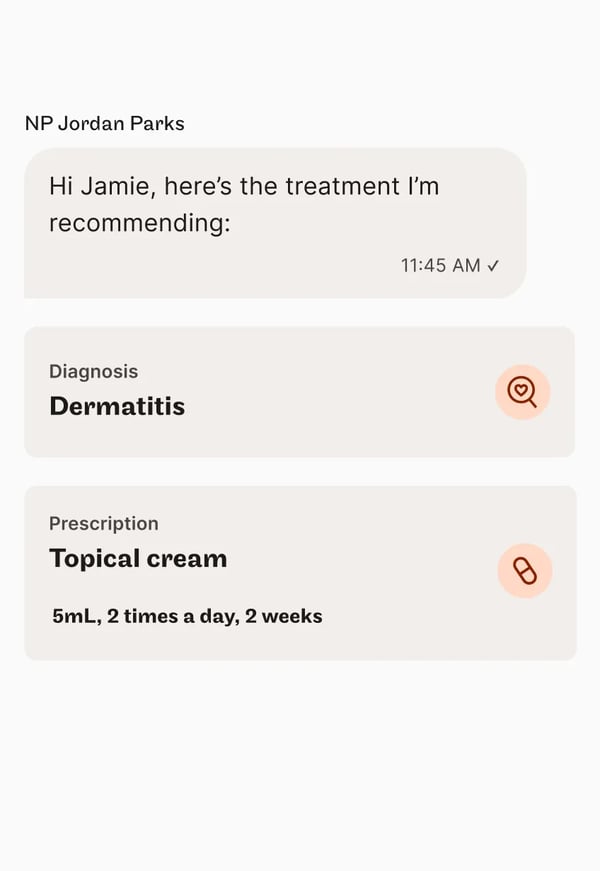
A visit works a lot like an in-person appointment. A doctor or nurse practitioner will ask about your symptoms, review your health history and recommend a treatment plan that's right for you. Not every visit leads to a prescription. Sometimes, you might need to see someone in person. When that happens, we'll help you figure out what comes next.
As a Maple member, you get 24/7 access to care online. Connect with our network of Canadian-licensed doctors and nurse practitioners in minutes via secure text, audio or video call.
Pricing and Payment
Membership is $85/month. One membership. Care for your whole family. In eligible provinces, membership includes:
- Daily visits: one visit a day with a doctor or nurse practitioner for each family member in your household
- Pediatric care: covered pediatric primary care visits, available by appointment
- Second Medical Opinion: when you're unsure about a complex diagnosis, like cancer or MS, or want to understand all your options, you and your family can access an expert Second Medical Opinion
- Personal Health Check-Ins: personalized, evidence-based proactive care screenings to help you stay on top of your health
- iCBT courses: internet-based cognitive behavioural therapy self-assessments and courses
- Specialists: see a specialist in days, not months. No referral necessary.
- Specialist referrals: a referral to a physician specialist for in-person care, if needed
Membership can't be combined with other offerings, such as private insurance coverage and provincial programs, where available. A Healthcare Spending Account (HSA) may cover your membership fees. Check with your HSA provider for details.
Your Maple monthly membership covers virtual care for you, your spouse and your dependents under the age of 18 who share the same primary residence. Full disclaimer and refund policy here.
We accept all major credit cards, including AMEX, plus Google Pay and Apple Pay.
Security and Privacy
Privacy is at the core of how we deliver care. We follow Canadian privacy and healthcare laws, including PIPEDA and PHIPA, to protect your personal and health information.
Our policies and consent processes are simple and easy to understand, so you stay in control. Strong security infrastructure and strict data policies protect every session. You keep control of your personal health information, medical records and test results at all times. We also work with privacy and security experts and review our policies regularly.
All doctors and nurse practitioners who deliver care through Maple are licensed in Canada and governed by their regulatory colleges. They must follow the telemedicine policies set by the medical regulator in each province.
Regulators across Canada recognize the value of virtual care. It helps improve access to care for patients and makes care delivery more efficient for practitioners and Canada's healthcare system.
Do you need medical care today?
Trusted, experienced doctors and nurse practitioners are ready to see you.
Maple is safe and effective for common non-emergency issues. If you believe you are experiencing an emergency, please call 911 or proceed to your nearest emergency room.