Headache treatment, diagnosis & prescriptions
Skip the waiting room! Instantly connect with Canadian doctors for medical care from your phone, tablet or computer - any time, 24/7.


Prescriptions available at a provider's discretion
Speak to a doctor or nurse practitioner
24/7 availability
Get connected in minutes
Trusted by millions of Canadians
- 4.8 rating 30K+ App Store reviews
- 4.7 score 8K+ Trustpilot reviews
Talk to a doctor about headache treatment online
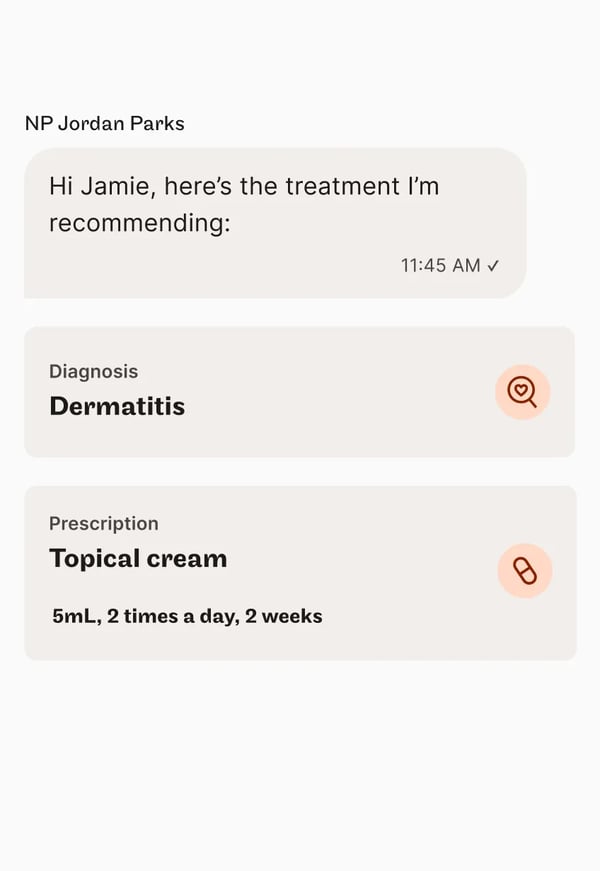
See a doctor or nurse practitioner today to get a new prescription or refill, at their discretion.
Same-day local pharmacy pickup
After your consultation, if you have received a medical diagnosis and prescription for a medication, your prescription can be faxed to the pharmacy of your choice for pick-up or delivered to your home.
Fast, free delivery
Get your medications delivered to your door anywhere in Canada within 1-3 business days.
Less waiting, more convenience
Maple members get 24/7 access to primary care online and more. Our doctors and nurse practitioners are available to see you in minutes, anytime.
See a provider in three easy steps.
- 1
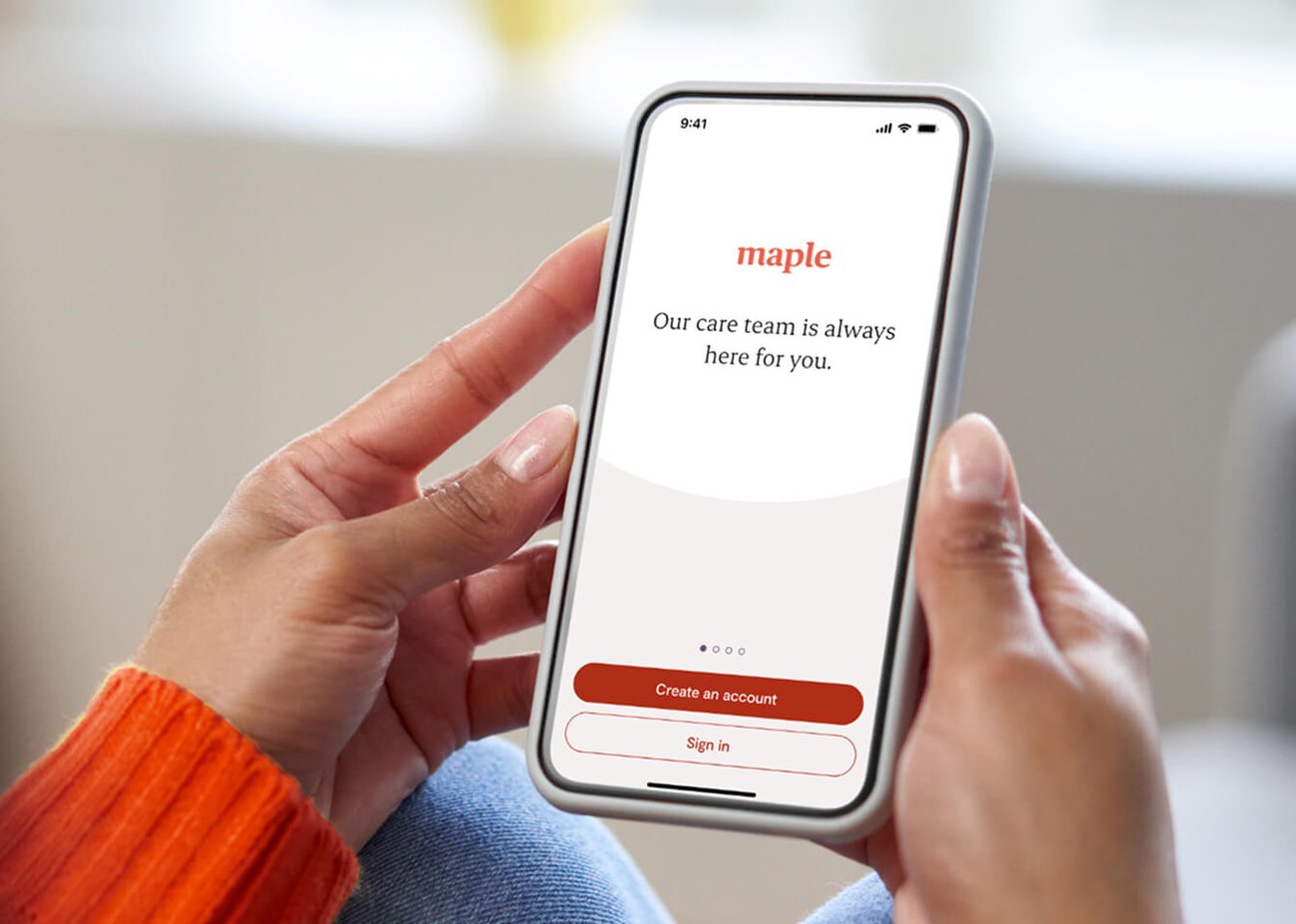
Register and become a member
- 2
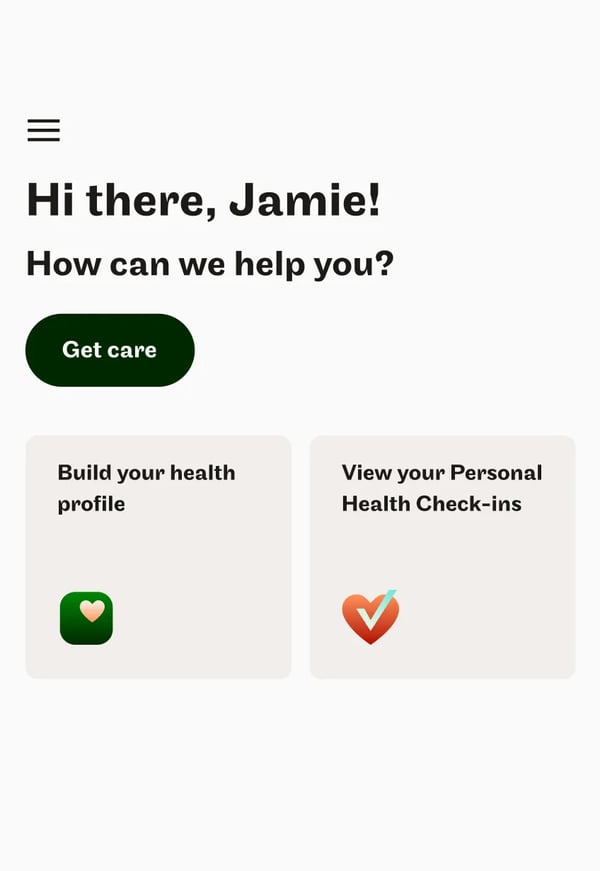
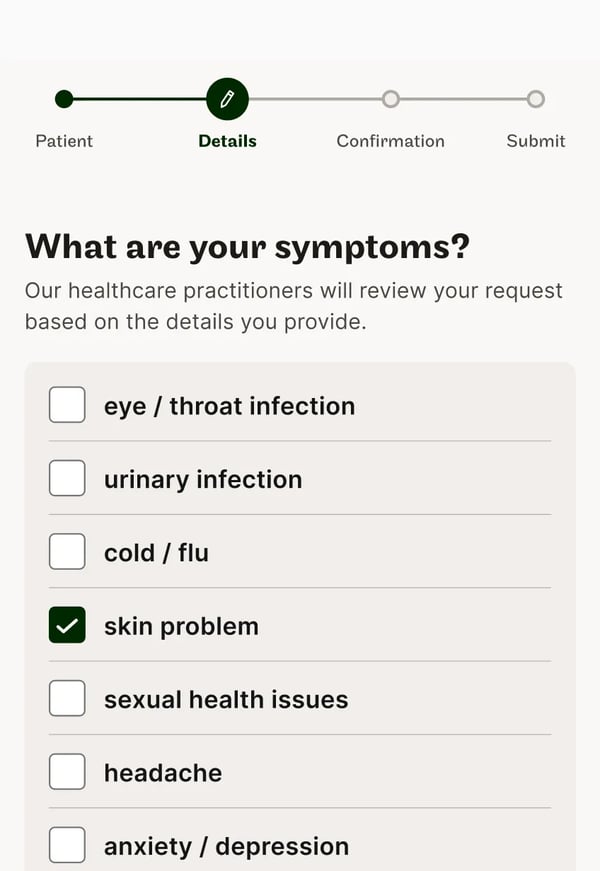
Select the “Get care” button on our homepage
- 3
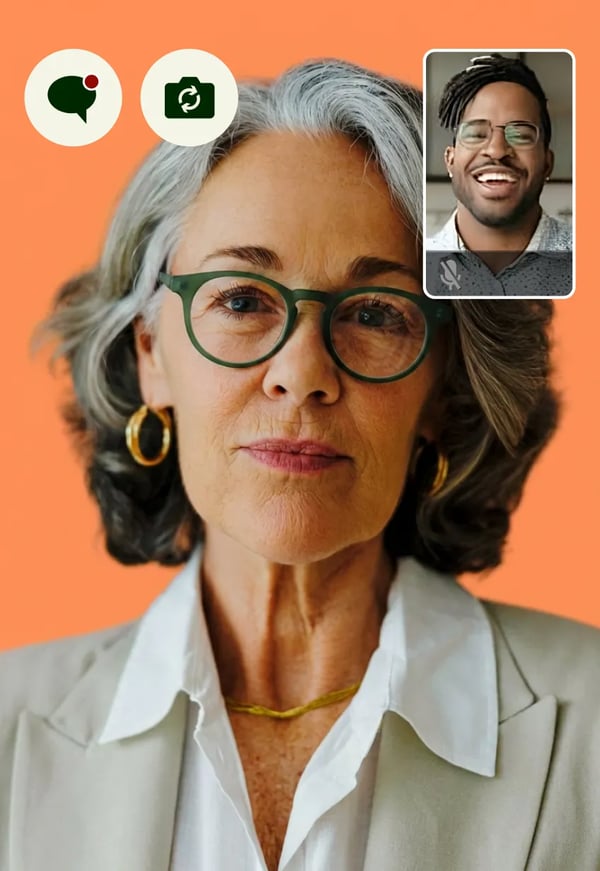
Connect with a Canadian-licensed doctor or nurse practitioner in minutes
Our network of Canadian-licensed doctors and nurse practitioners is here for you.

Michelle Van Raay
Family Physician
Dr. Van Raay is a dedicated family physician based in Calgary, Alberta, with over 20 years of experience in family practice. After two decades of providing in-person care, she has transitioned to offering full-time virtual healthcare, allowing her to connect with and support patients across Canada. Dr. Van Raay is deeply passionate about preventive care and believes in the transformative power of nutrition and exercise in maintaining overall health.

Mazin Yousif
Family Physician
Dr. Yousif completed medical school in Baghdad, Iraq in 1998. He practiced until 2005 then moved to Canada where he has practiced in Newfoundland from 2007-2009 then Ontario from 2009 until now.
Veronique Poirier
Nurse Practitioner
Veronique has been working as a nurse practitioner for the past 5 years. She has gained extensive experience in diverse settings, including community health and virtual care, which has broadened her expertise and allowed her to reach and support a wide range of patient needs. As an advanced practice nurse, Veronique is committed to providing excellent, compassionate care to all individuals and ensuring access to the highest standard of healthcare for all patients.
Joe Fragapane
ER Physician & Family Physician
Dr. Fragapane practices Emergency and Family medicine for the Cree Nation in the native territories of the James Bay Quebec. As a physician, he mainly focuses in emergency rural medicine and paediatrics. His practice is broad, encompassing complex medical as well as psycho-social issues, in the isolated regions of northern Quebec with difficult access to diagnostic testing and specialized services. He graduated from McGill Medical School in 2012 and from the Faculty of Electrical and Computer Engineering in 2005.

Golbarg Araghi
Family Physician
Dr. Araghi has been practicing medicine for 17 years. She graduated from McGill University medical school in 2002 and completed her family medicine residency at the University of Toronto. She did a fellowship in low risk obstetrics shortly after graduating. She has been practicing since 2004 and has provided care for patients of all ages. She is a great addition to our team!

Dr. Michael Verbora
Family Physician
Dr. Verbora practices family medicine in Toronto and specializes in student health. He received his Bachelor of Science with Honours from the University of Windsor, his Masters of Business Administration from Odette School of Business, and his Doctor of Medicine from the University of Western Ontario. Dr. Verbora completed specialty training at the Toronto Western Hospital while acting as the OCFP (Ontario College of Family Physicians) Chair of the Residents Committee.

Robert Solomon
Dermatologist
Dr. Solomon is a staff physician at St. Michael’s Hospital, a lecturer at U of T, and a member of the Miami Society for Dermatology and Cutaneous Surgery. He’s recognized for his expertise in Dermoscopy and has extensive experience in Teledermatology, having done 10,000+ cases in the past few years.
Why Canadians love Maple
A fantastic way to get medical advice when you are unable to see someone in person. The app is so simple to use. Highly recommend. I am not a tech savvy person but the doctor was kind enough to patiently walk me through every step of the process. Thank you.
Saved me hours waiting in the ER.
Fast and effective tool for getting a diagnosis and prescription.
The doctor willingly took the time to explain things to me.
Very easy to book a therapist and get appointment receipts.
Frequently asked questions
About Headache
Yes. A doctor on Maple will be able to offer headache treatment recommendations once they've determined the type of headache you're experiencing.
To offer an accurate headache diagnosis, the doctor will want to discuss the region where your headache is centralized and your symptoms. This will help determine whether you're experiencing a primary or secondary headache.
Then, they'll most likely want to evaluate your medical history and discuss any other conditions you may be experiencing.
If they believe you could be experiencing a secondary headache caused by another underlying condition, they may suggest you have headache tests performed to try and determine the condition causing your headache.
Yes. Physicians on Maple can prescribe headache medications online during your consultation. Once you accept a headache prescription, you’ll have the option to pick it up from any pharmacy or have it delivered to your door at no additional cost.
You can visit our How it works page to learn more.
A headache is pain that’s located in any area of the head.
Headaches can be contained to one small area, affect one or both sides of the head, trigger a vice-like, crushing sensation, or radiate out from one specific spot.
There are two distinct types of headaches: Primary and Secondary.
Types of primary headaches include:
- Migraines, with or without auras
- Tension headaches
- Cluster headaches
- Chronic daily headaches, including hemicranias continua, chronic tension-type headaches, and chronic migraine headaches
- Trigeminal autonomic cephalalgia (TAC)
- Exercise headaches
- Cough headaches
- Sex headaches
- Hypnic headaches
Types of secondary headaches include:
- Spinal headaches
- Ice cream headaches
- Sinus headaches
- Thunderclap headaches
- Medication overuse headaches
- External compression headaches
A migraine headache is characterized by forehead or facial pressure over the sinuses. It can also cause nasal congestion and a runny nose.
A sinus headache has the same symptoms, as well as possible fever, pus from the nose, and foul-smelling breath.
While migraines and sinus headaches are two different things, in as many as 90% of self-diagnosed cases, sinus headaches are actually migraines.
Talk to a doctor on Maple and have them evaluate your headache symptoms so that they can determine the kind of headache you're experiencing and help you with your headache management.
There’s a wide array of possible symptoms that can be brought on by different types of headaches.
The most common symptoms associated with headaches, apart from pain, are:
- Nausea
- Vomiting
- Eye pain, especially when surrounded by bright lights
- Dizziness
- Vertigo
- Scalp tenderness
- Tightness in the head
- Earache
- Jaw or tooth pain, caused by clenching
- Stroke, in very rare cases
The two types of headaches have very different causes.
A primary headache isn't caused by an underlying disease. It's usually caused by overactivity or problems with the pain-sensitive structures located in your head.
Some common primary headache causes include:
- Changes in sleep
- Lack of sleep
- Poor posture
- Skipped meals
- Alcohol, particularly from red wine
- Certain foods, particularly those that are high in nitrates
- Stress
A secondary headache is a symptom of another disease or condition that’s affecting the pain-sensitive nerves in the head. There’s a large variety of diseases that can cause this type of headache.
Some possible causes for secondary headaches include:
- Blood clot within the brain (venous thrombosis)
- Concussion
- Intracranial hematoma
- Meningitis
- Acute sinusitis
- Stroke
- Encephalitis
- Dehydration
- Arterial tears
- Monosodium glutamate (MSG)
- Brain tumor
- Brain aneurysm
- Chiari malformation
- COVID-19
- Hangovers
- Panic attacks or disorder
- Hypertension
- Ear infection
- Brain arteriovenous malformation (AVM)
- Carbon monoxide poisoning
- Overuse of pain medication
- Dental problems
- Toxoplasmosis
- Post-concussion syndrome
- Influenza
- Glaucoma
- Giant cell arteritis
- Pseudotumor cerebri
- Trigeminal neuralgia and other neuralgias
A tension headache is usually caused when the neck and scalp muscles contract or become tense.
This can be the result of depression, anxiety, or a head injury, but the most common cause of tension headaches is stress.
A doctor may recommend different options to treat a headache.
Headache treatment suggestions will depend on how your doctor diagnoses your headache and the symptoms you're experiencing. The goal will be to find a headache therapy that works for your specific headache type.
The most common generic headache treatments include:
- Hot or cold compressed, applied to the forehead, or neck
- Massage therapy
- Small amounts of caffeine
- Resting in a quiet, dark space
- Over-the-counter headache remedies (ibuprofen, acetaminophen)
Maple 101
Maple is a virtual care platform that connects you with our network of Canadian-licensed doctors, nurse practitioners and specialists via secure text, audio or video call. Sign in to your Maple account to start a visit. Learn more about how Maple works here.
A visit works a lot like an in-person appointment. A doctor or nurse practitioner will ask about your symptoms, review your health history and recommend a treatment plan that's right for you. Not every visit leads to a prescription. Sometimes, you might need to see someone in person. When that happens, we'll help you figure out what comes next.
As a Maple member, you get 24/7 access to care online. Connect with our network of Canadian-licensed doctors and nurse practitioners in minutes via secure text, audio or video call.
Pricing and Payment
Membership is $85/month. One membership. Care for your whole family. In eligible provinces, membership includes:
- Daily visits: one visit a day with a doctor or nurse practitioner for each family member in your household
- Pediatric care: covered pediatric primary care visits, available by appointment
- Second Medical Opinion: when you're unsure about a complex diagnosis, like cancer or MS, or want to understand all your options, you and your family can access an expert Second Medical Opinion
- Personal Health Check-Ins: personalized, evidence-based proactive care screenings to help you stay on top of your health
- iCBT courses: internet-based cognitive behavioural therapy self-assessments and courses
- Specialists: see a specialist in days, not months. No referral necessary.
- Specialist referrals: a referral to a physician specialist for in-person care, if needed
Membership can't be combined with other offerings, such as private insurance coverage and provincial programs, where available. A Healthcare Spending Account (HSA) may cover your membership fees. Check with your HSA provider for details.
Your Maple monthly membership covers virtual care for you, your spouse and your dependents under the age of 18 who share the same primary residence. Full disclaimer and refund policy here.
We accept all major credit cards, including AMEX, plus Google Pay and Apple Pay.
Security and Privacy
Privacy is at the core of how we deliver care. We follow Canadian privacy and healthcare laws, including PIPEDA and PHIPA, to protect your personal and health information.
Our policies and consent processes are simple and easy to understand, so you stay in control. Strong security infrastructure and strict data policies protect every session. You keep control of your personal health information, medical records and test results at all times. We also work with privacy and security experts and review our policies regularly.
All doctors and nurse practitioners who deliver care through Maple are licensed in Canada and governed by their regulatory colleges. They must follow the telemedicine policies set by the medical regulator in each province.
Regulators across Canada recognize the value of virtual care. It helps improve access to care for patients and makes care delivery more efficient for practitioners and Canada's healthcare system.
Do you need medical care today?
Trusted, experienced doctors and nurse practitioners are ready to see you.
Maple is safe and effective for common non-emergency issues. If you believe you are experiencing an emergency, please call 911 or proceed to your nearest emergency room.