Psoriasis treatment, diagnosis & prescriptions
Skip the waiting room! Instantly connect with Canadian doctors for medical care from your phone, tablet or computer - any time, 24/7.


Prescriptions available at a provider's discretion
Speak to a doctor or nurse practitioner
24/7 availability
Get connected in minutes
Trusted by millions of Canadians
- 4.8 rating 30K+ App Store reviews
- 4.7 score 8K+ Trustpilot reviews
Talk to a doctor about psoriasis treatment online
See a doctor or nurse practitioner today to get a new prescription or refill, at their discretion.
Same-day local pharmacy pickup
After your consultation, if you have received a medical diagnosis and prescription for a medication, your prescription can be faxed to the pharmacy of your choice for pick-up or delivered to your home.
Fast, free delivery
Get your medications delivered to your door anywhere in Canada within 1-3 business days.
Less waiting, more convenience
Maple members get 24/7 access to primary care online and more. Our doctors and nurse practitioners are available to see you in minutes, anytime.
See a provider in three easy steps.
- 1
Register and become a member

- 2
Select the “Get care” button on our homepage
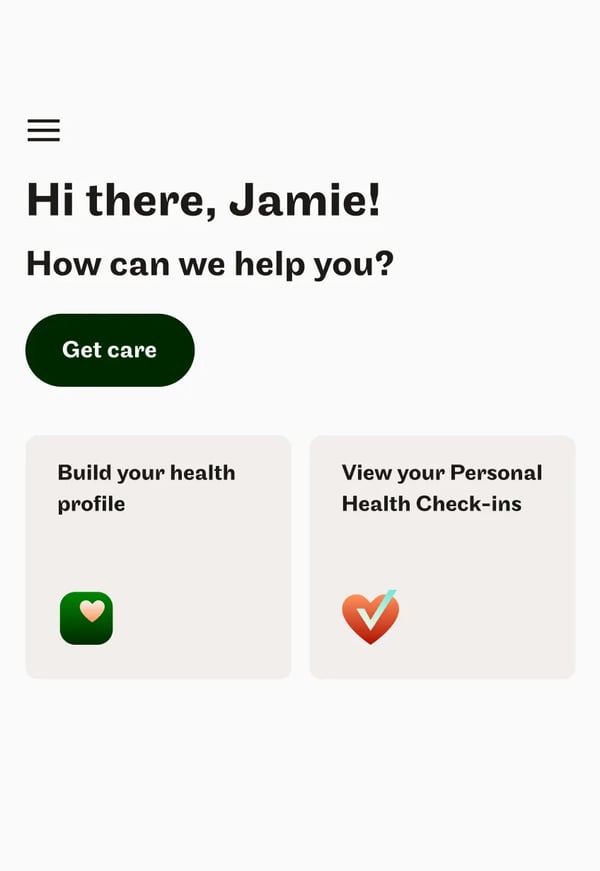
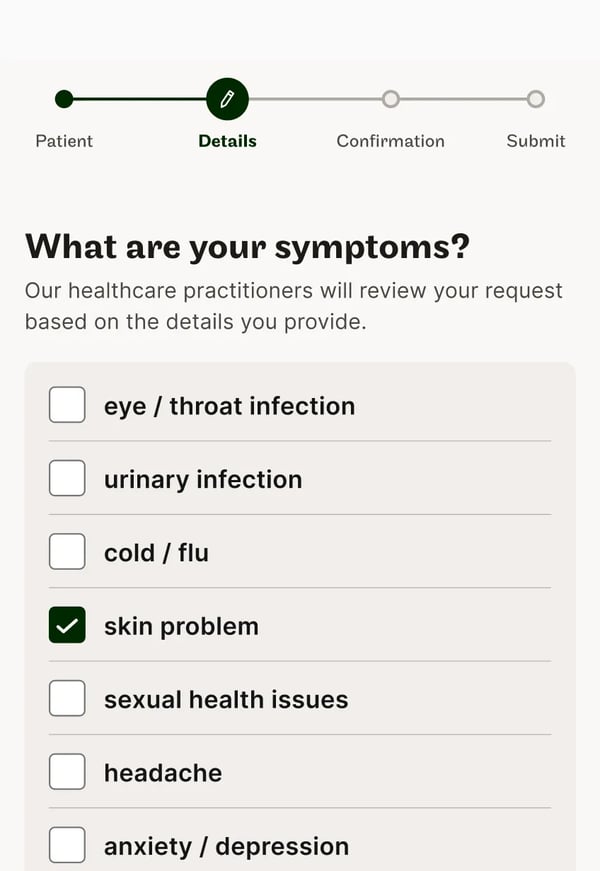
- 3
Connect with a Canadian-licensed doctor or nurse practitioner in minutes
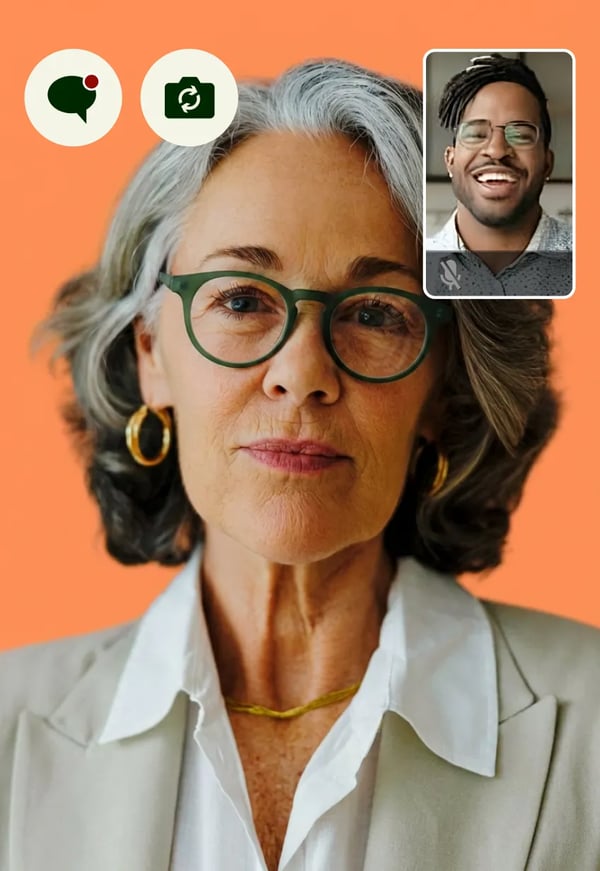
Our network of Canadian-licensed doctors and nurse practitioners is here for you.

Michelle Van Raay
Family Physician
Dr. Van Raay is a dedicated family physician based in Calgary, Alberta, with over 20 years of experience in family practice. After two decades of providing in-person care, she has transitioned to offering full-time virtual healthcare, allowing her to connect with and support patients across Canada. Dr. Van Raay is deeply passionate about preventive care and believes in the transformative power of nutrition and exercise in maintaining overall health.

Mazin Yousif
Family Physician
Dr. Yousif completed medical school in Baghdad, Iraq in 1998. He practiced until 2005 then moved to Canada where he has practiced in Newfoundland from 2007-2009 then Ontario from 2009 until now.
Veronique Poirier
Nurse Practitioner
Veronique has been working as a nurse practitioner for the past 5 years. She has gained extensive experience in diverse settings, including community health and virtual care, which has broadened her expertise and allowed her to reach and support a wide range of patient needs. As an advanced practice nurse, Veronique is committed to providing excellent, compassionate care to all individuals and ensuring access to the highest standard of healthcare for all patients.
Joe Fragapane
ER Physician & Family Physician
Dr. Fragapane practices Emergency and Family medicine for the Cree Nation in the native territories of the James Bay Quebec. As a physician, he mainly focuses in emergency rural medicine and paediatrics. His practice is broad, encompassing complex medical as well as psycho-social issues, in the isolated regions of northern Quebec with difficult access to diagnostic testing and specialized services. He graduated from McGill Medical School in 2012 and from the Faculty of Electrical and Computer Engineering in 2005.

Golbarg Araghi
Family Physician
Dr. Araghi has been practicing medicine for 17 years. She graduated from McGill University medical school in 2002 and completed her family medicine residency at the University of Toronto. She did a fellowship in low risk obstetrics shortly after graduating. She has been practicing since 2004 and has provided care for patients of all ages. She is a great addition to our team!

Dr. Michael Verbora
Family Physician
Dr. Verbora practices family medicine in Toronto and specializes in student health. He received his Bachelor of Science with Honours from the University of Windsor, his Masters of Business Administration from Odette School of Business, and his Doctor of Medicine from the University of Western Ontario. Dr. Verbora completed specialty training at the Toronto Western Hospital while acting as the OCFP (Ontario College of Family Physicians) Chair of the Residents Committee.

Robert Solomon
Dermatologist
Dr. Solomon is a staff physician at St. Michael’s Hospital, a lecturer at U of T, and a member of the Miami Society for Dermatology and Cutaneous Surgery. He’s recognized for his expertise in Dermoscopy and has extensive experience in Teledermatology, having done 10,000+ cases in the past few years.
Why Canadians love Maple
A fantastic way to get medical advice when you are unable to see someone in person. The app is so simple to use. Highly recommend. I am not a tech savvy person but the doctor was kind enough to patiently walk me through every step of the process. Thank you.
Saved me hours waiting in the ER.
Fast and effective tool for getting a diagnosis and prescription.
The doctor willingly took the time to explain things to me.
Very easy to book a therapist and get appointment receipts.
Frequently asked questions
About Psoriasis
Yes, a doctor on Maple will be happy to talk to you about your condition.
The doctor may suggest that you visit a dermatologist, or have a biopsy performed on the affected areas before offering a psoriasis diagnosis.
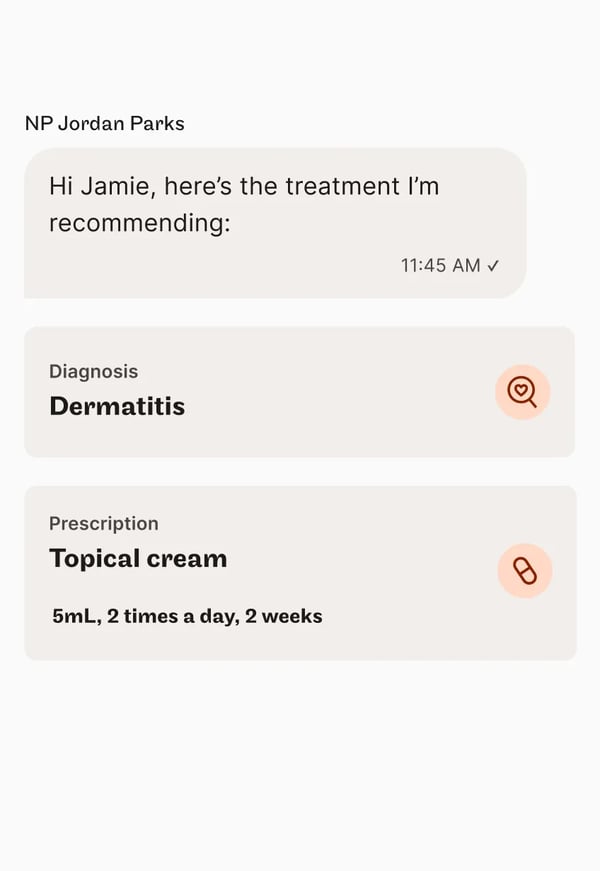
After you've received a definitive psoriasis diagnosis, a doctor from Maple will be able to offer psoriasis treatment suggestions, including psoriasis prescriptions.
Yes, our physicians can prescribe psoriasis medications online during your consultation. Once you accept a prescription, you’ll have the option to pick it up from any pharmacy or to have it delivered right to your door at no additional cost.
You can visit our How it works page to learn more.
Psoriasis is a common, long-term skin disorder brought on by the immune system attacking healthy skin cells, making it an autoimmune disease. The cause of psoriasis is not fully understood, but genetics, the immune system, and environmental factors all play a role.
Though it can affect people of all ages, it often appears in early adulthood.
There are several types of psoriasis that each affect different areas of the body, as well as their own unique appearances and symptoms. The types of psoriasis include:
- Plaque psoriasis - the most common form of psoriasis
- Guttate psoriasis
- Pustular psoriasis
- Palmoplantar pustulosis (PPP)
- Acropustulosis
- Von Zumbusch (also called Generalized)
- Erythrodermic psoriasis
- Nail psoriasis
- Psoriatic arthritis
- Inverse psoriasis, also called flexural psoriasis
The most commonly seen psoriasis symptoms across most forms include:
- Red or dry patches of skin, usually covered in silvery scales and sometimes with raised edges
- Itchy, painful skin
- Rashes on the genitals, scalp, or skin folds
- Joint stiffness or swelling
- Joint pain
Nail abnormalities, such as pitting, crumbling, thickening, or discoloration
Moreover, some forms of psoriasis have some additional signs and symptoms that are unique to them.
Nail psoriasis signs and symptoms:
- Crumbling nails
- Nail disconnecting from the finger
- Discoloration of the nail
Guttate psoriasis signs and symptoms:
- Small red or scaly teardrop-shaped spots
- Usually affects children and young adults
- Tends to affect the trunk, legs, or arms
Inverse psoriasis signs and symptoms:
- Smooth patches of red, irritated skin that worsen with sweating or friction
- Sexual problems due to discomfort
- Mainly affects the buttocks, groin, armpits, or breasts
- Sometimes mistaken for fungal or bacterial infections due to their similar appearance
Pustular psoriasis signs and symptoms:
- Pus-filled lesions
- Can affect large areas, or be contained to the palms of the hands, soles of the feet, fingers, and toes
- Bone damage (rarely and only with Acropustulosis)
- Fever, chills, muscle weakness, headache, weight loss, nausea, dehydration, racing heartbeat (rarely and only with Von Zumbusch)
Erythrodermic psoriasis signs and symptoms:
- This is the rarest form of psoriasis. Although it doesn't have unique symptoms, this form can cover the entire body in irritated, peeling skin and can burn or itch severely.
Psoriatic arthritis signs and symptoms:
- Progressive joint damage that can lead to permanent damage in severe cases
- It's possible to have this form of psoriasis with no symptoms other than joint pain and stiffness
Because psoriasis is an autoimmune disease, its main cause is genetics. However, some factors can increase the risks of experiencing psoriasis, such as:
- Obesity
- Infections - viral or bacterial
- Heavy alcohol consumption
- Certain medications
- Vitamin D deficiencies (observed in patients with psoriasis)
- Injury to skin or skin irritation
- Tobacco use or exposure to secondhand smoke
- Cold, dry weather
- Rapid withdrawal from systemic or oral corticosteroids
In addition to these, some forms of psoriasis have triggers that are unique to them, including:
Guttate psoriasis causes:
- Bacterial infections (strep throat)
Pustular psoriasis causes:
- Too much time in the sun
- Pregnancy (this condition is more common in pregnant women)
Erythrodermic psoriasis causes:
- As an allergic reaction to medications
- Severe sunburn
- Although evidence is conflicting, it’s believed that severe or chronic stress could also be an associated risk factor for experiencing psoriasis.
A doctor may be able to offer a psoriasis diagnosis by examining the affected areas and asking you some questions about your condition.
In many cases, the doctor may refer you to a dermatologist for further evaluation. Because some types of psoriasis can resemble eczema or other skin conditions, the doctor or dermatologist may recommend a biopsy of the affected skin be taken to confirm the condition or type of psoriasis.
If you're showing symptoms of psoriatic arthritis, the doctor may also suggest having blood tests or X-rays performed to rule out other forms of arthritis.
Psoriasis is a chronic disease that can significantly impact your quality of life. It’s important to seek treatments for both the physical and psychological aspects of this disease.
At this time, there’s no cure for psoriasis. Therefore, psoriasis treatments should focus on controlling the disease and its symptoms. The treatments chosen will depend on the severity of your condition, as well as its location.
Mild forms of psoriasis involve treatments using topical medications. Some of these topical psoriasis medications include:
- Coal-tar ointments and shampoos
- Calcitriol and calcipotriene
- Steroid-based creams
- Salicylic acid
- Prescription retinoids
In moderate to severe cases, dermatologists may prescribe phototherapy as a psoriasis treatment. Some forms of phototherapy used are:
- Ultraviolet B light (UVB)
- Narrow-band UVB therapy
- PUVA therapy (the drug psoralen combined with UVA light)
If other psoriasis prescriptions aren't working, the doctor may suggest drugs called biologics. These drugs target parts of the immune system to help reduce psoriasis symptoms. However, they can lower your body's defenses against other illnesses.
There are also new treatments becoming available using excimer lasers to deliver localized ultraviolet light to areas of the skin. These treatments are more potent, and require less frequent sessions than traditional light therapy to be effective.
Lifestyle adjustments like weight loss, quitting smoking, and reducing alcohol consumption have also been proven to help reduce psoriasis flare-ups and lessen negative symptoms.
If you believe you're experiencing a form of psoriasis, it's a good idea to talk to a doctor on Maple about it.
They will be able to help you monitor the condition and confirm whether or not you are experiencing psoriasis, or make recommendations for further testing.
You should also talk to your doctor about psoriasis if:
- You begin experiencing joint problems, such as pain, swelling, or less mobility
- You're concerned about the appearance of your skin
- You're experiencing chronic or severe pain and discomfort
- The pain becomes widespread
- Your condition doesn't improve with treatment
Maple 101
Maple is a virtual care platform that connects you with doctors and other healthcare providers via text, audio, or video. After you log in to your Maple account, you can request an online consultation.
Consultations work similarly to in-person appointments — the doctor can complete an assessment by asking questions about your symptoms, going through your health history, and determining what treatment is right for you. If they think your condition is more serious, they may tell you to go to a clinic for an in-person examination.
As a Maple member, you get 24/7 access to virtual primary care online and more. You can connect with our network of providers via text, audio, or video call within minutes.
Pricing and Payment
Our membership costs $85/month and covers virtual care for patients and their families, including the primary account holder's spouse and any dependents.
For patients in eligible provinces, our membership includes:
- Access to daily primary care provider visits: One daily visit with a primary care provider for each family member in their household.
- Paediatric care: Covered paediatric primary care visits, available by appointment.
- Second medical opinions: Access to a network of experts for a second opinion if diagnosed with a complex condition (e.g. cancer).
- Personal Health Check-Ins: A series of personalized, evidence-based proactive care screenings to maintain and improve health.
- iCBT courses: Access to iCBT (internet-based cognitive behavioural therapy) self-assessment and courses.
- Access to specialists in eligible provinces: Easy access to specialists on Maple within days, not months. No referral is needed.
- Specialist referrals in eligible provinces: Ability to be referred to a physician specialist for in-person care, if needed.
On-demand care memberships are covered under many existing private healthcare plans, including Healthcare Spending Accounts. You can submit your receipt to insurers for reimbursement. If you have insurance benefits through your school, employer or private health insurance, visit fees may be covered.
We accept all major credit cards, including AMEX cards, as well as Google and Apple Pay.
Security and Privacy
At Maple, we proudly prioritize privacy as a cornerstone of our virtual care services. We strictly adhere to privacy and healthcare legislation in Canada, such as PIPEDA and PHIPA regulations, to ensure patients' personal and health information remains completely private and safeguarded.
Our policies and consent processes are designed to be simple and easily understood, empowering individuals with control and a clear understanding of their healthcare journey. When using our services, a patient’s session is protected by a comprehensive security infrastructure and stringent data policies.
Patients also retain full control of their personal health information, medical records and test results at all times. Our approach is reinforced by consultations with leading experts, guaranteeing comprehensive policy frameworks that are reviewed at a regular cadence.
All providers delivering healthcare through Maple are licensed in Canada and governed by their licensing regulatory colleges, and in all instances, must act in accordance with the governing principles set out in the telemedicine policies of each medical regulator in the applicable province.
Regulators across Canada support and recognize the value of services like ours, and the way in which they can benefit patients, physicians, and Canada’s broader healthcare system by improving access to care and increasing efficiencies in the delivery of care.
Do you need medical care today?
Trusted, experienced doctors and nurse practitioners are ready to see you.
Maple is safe and effective for common non-emergency issues. If you believe you are experiencing an emergency, please call 911 or proceed to your nearest emergency room.